 English
 简体中文
简体中文 Español
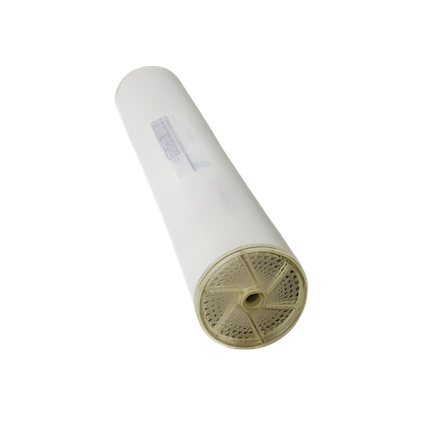
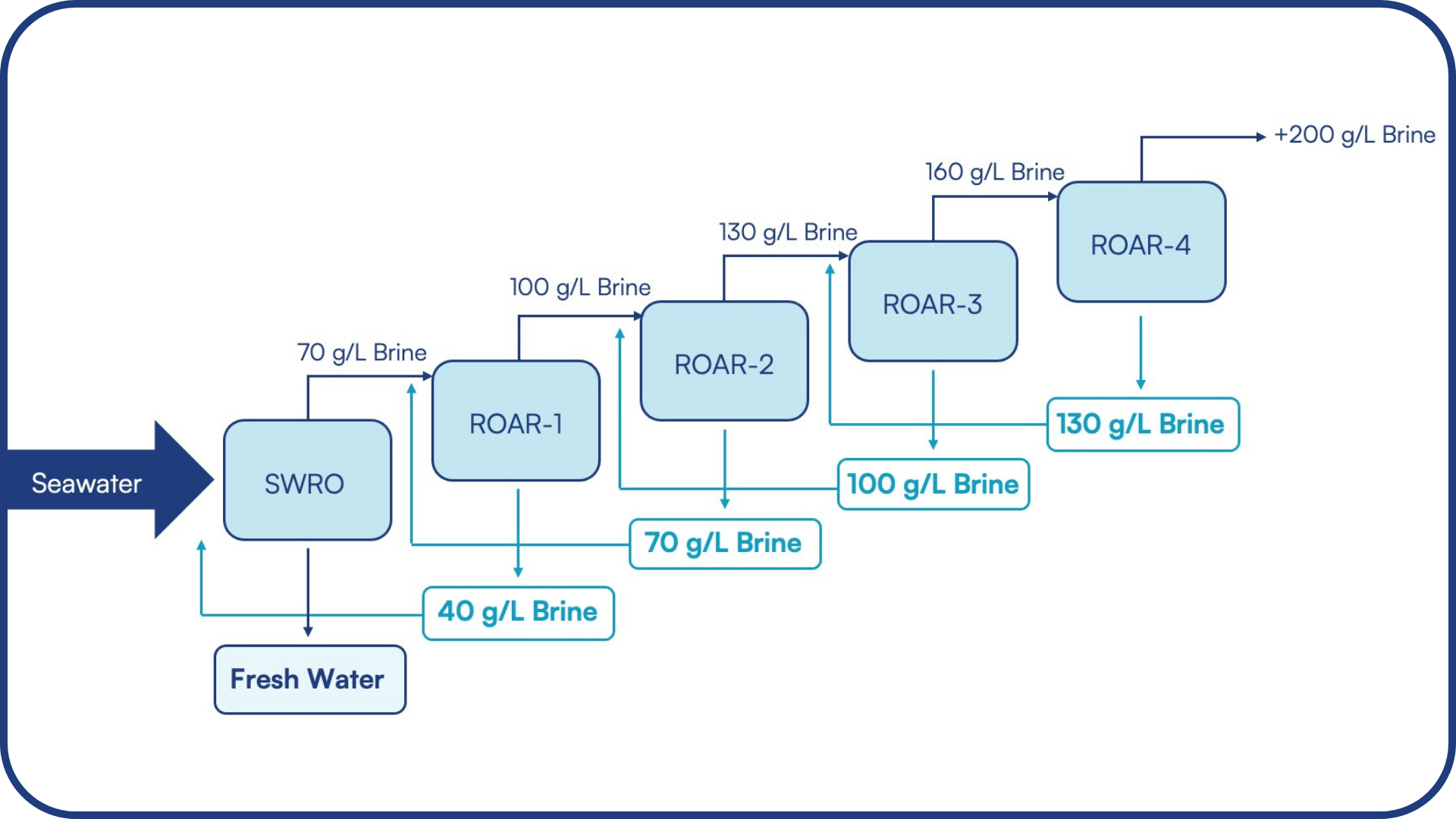
ROAR™ Reverse Osmosis (RO) membrane elements deliver reliable, high-performance separation for water treatment, brine concentration, and resource recovery applications. Manufactured at FTS H2O’s Center of Excellence in Albany, Oregon, ROAR™ elements are engineered to help industrial facilities maximize water recovery, reduce waste volumes, and improve overall process efficiency. Available as standalone Osmotically Assisted Reverse Osmosis (OARO) elements or integrated with advanced technologies such as Forward Osmosis (FO), ROAR™ membrane elements provide a flexible solution for challenging high-salinity applications.
Designed for demanding, high-saline industrial environments, ROAR™ operates at pressures up to 1,150 psi (80 bar) and support the concentration of feed streams to levels approaching 180,000 mg/L TDS. Their ability to achieve high concentration factors while maintaining excellent permeate quality makes ROAR™ an effective solution for brine management, water reuse, and resource recovery flowsheets.