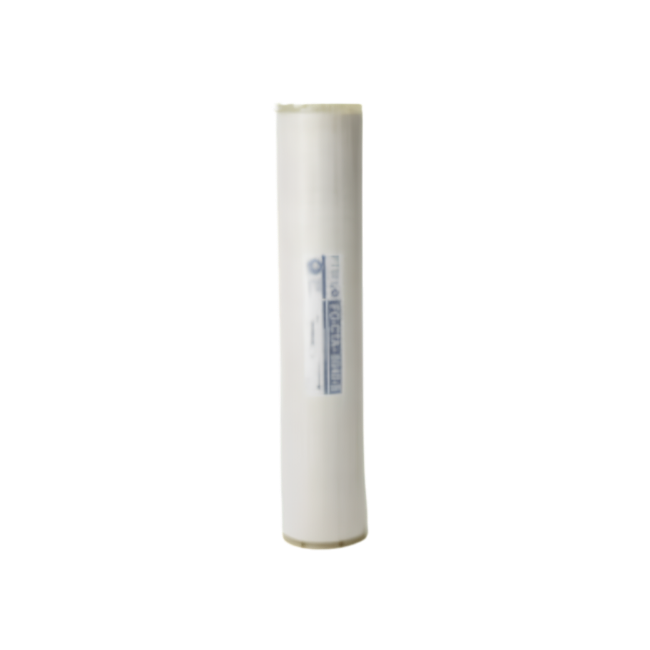
The COAR™ Sanitary membrane family applies Forward Osmosis (FO) technology to food, beverage, dairy, and other sanitary process streams where gentle concentration and product preservation are critical. By utilizing natural osmotic pressure to drive water removal, COAR™ membranes provide an effective alternative to conventional concentration methods while minimizing product stress and helping maintain quality, flavor, and value.

Engineered for hygienic processing environments, COAR™ sanitary membranes support product concentration, ingredient recovery, and process optimization across a wide range of applications. Their low-fouling cellulose membrane construction promotes reliable operation, simplified cleaning, and extended membrane life, enabling manufacturers to improve recovery rates, reduce waste volumes, and enhance overall process efficiency.


Learn More About COAR™ Sanitary

Volume reduction of challenging streams

Water quality comparable to SWRO permeate

Resistant to fouling, abrasions & chlorine

50-80% water recovery from brine

How Does COAR™ Sanitary Work?

The COAR™ Sanitary family uses a pioneering membrane process called forward osmosis (FO) to concentrate brine and recover freshwater. FO uses a natural osmotic pressure difference to move water across a semipermeable membrane without the high operating pressures required by conventional filtration technologies. Water is drawn from the feed stream into a concentrated draw solution, leaving salts, contaminants, and other impurities behind.

Because FO relies on osmotic forces rather than high hydraulic pressure, it is particularly effective for treating difficult, high-fouling streams while maintaining stable performance and water flux. This makes FO a valuable technology for water recovery, brine concentration, and ZLD applications where efficiency and reliability are critical.

Applications of COAR™ Sanitary