 English
 简体中文
简体中文 Español
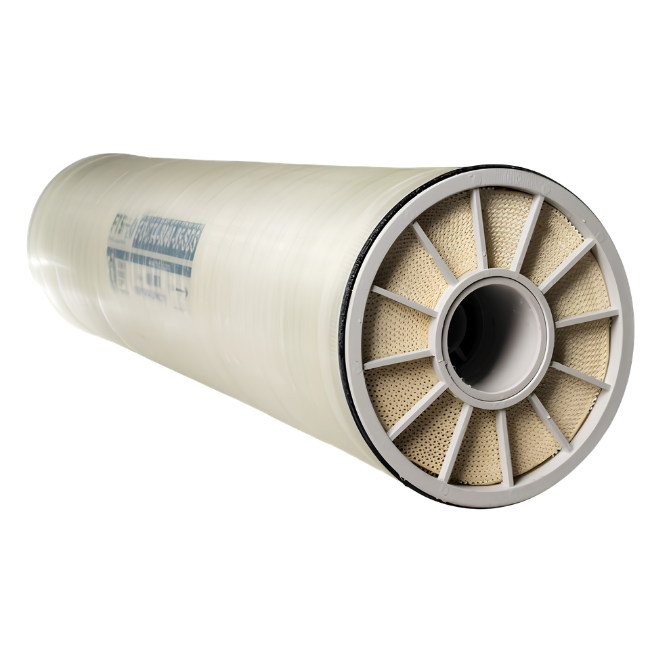
The COAR™ Industrial family of membrane elements utilizes Forward Osmosis (FO) technology to concentrate challenging industrial streams while achieving high water recovery and reduced waste volumes. Available in industry-standard 8040 and 4040 spiral-wound element configurations, COAR™ membranes leverage natural osmotic pressure rather than high hydraulic pressure, making them well suited for applications where conventional membrane technologies face limitations due to fouling, scaling, or elevated salinity.
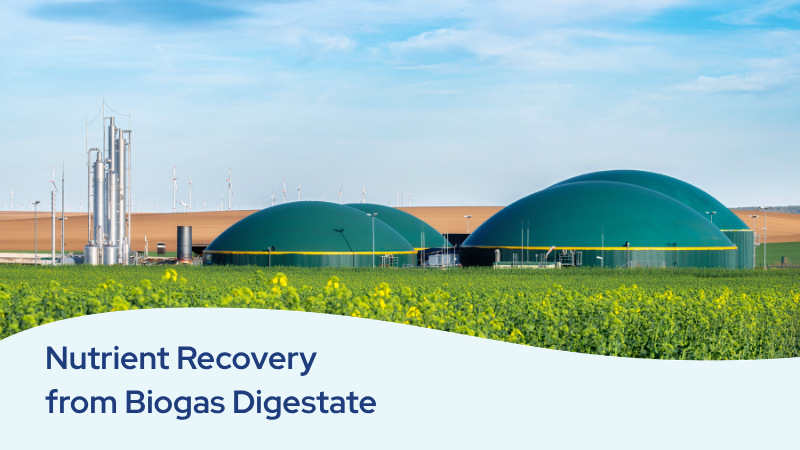
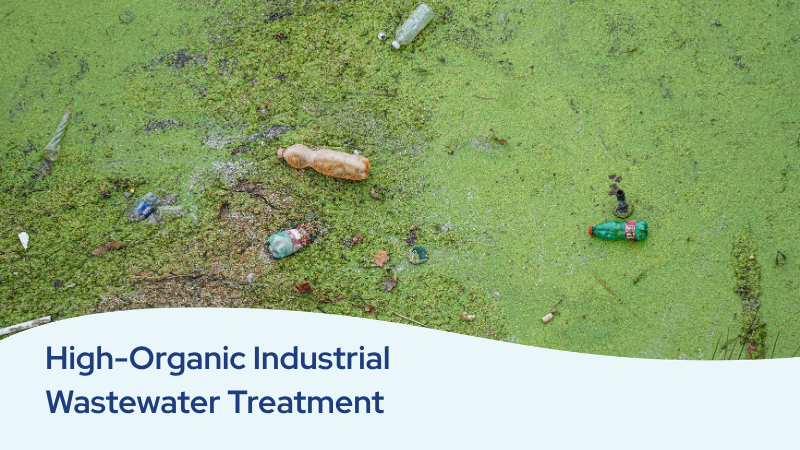
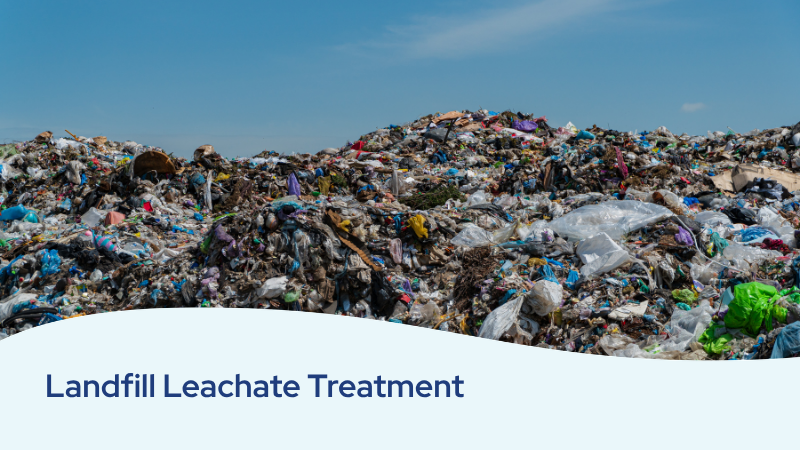
Designed specifically for industrial water and wastewater treatment, COAR™ Industrial membranes are optimized for brine concentration, wastewater volume reduction, resource recovery, and ZLD processes. Their low-fouling cellulose membrane construction provides excellent resistance to contamination and abrasion, allowing for effective treatment of difficult feedwaters while delivering reliable performance, long membrane life, and consistent recovery across a wide range of industrial applications.